As we have seen throughtout this blog, culture is not an exact formula, but rather a wide range of behavior and customs. Therefore, is not a surprise that inside cultures there are smaller groups that have their own identity, values and practices, often related to youth, gender, sexuality, social class, nationality or religion (Venter & Johnsone, 2012). Subcultures are often marginalized and some authors argue that they are meant to resist dominant hegemonic cultural values in which they are involved (Williams, 2007).
In South African culture there are numerous subcultures that intend to express
statements in many ways. In this post we’ll explore two of them, as well as one tribe that currently exists in the country.
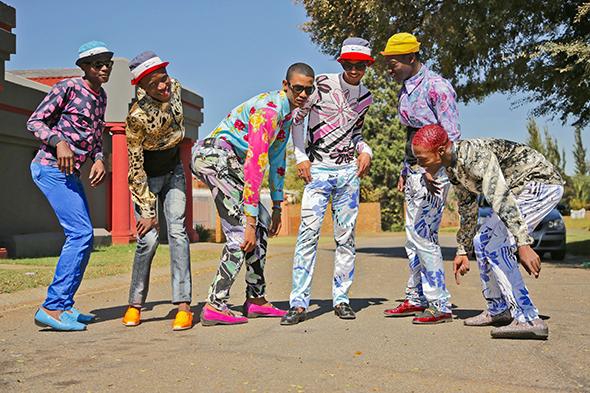
Skhothanes
They use style and fashion as a way to express themselves. The word Skhothanes means «to boast» in Zulu (a traditional south african language). They often show their extravagant clothes, always mentioning the brand and price of each item.
Their message is portrayed a way for young south africans to move up in a society that offers them few options (Sprinks, 2014).

Smarteez
The Smarteez are a small youth group of fashion designers who dress in bright and mismatching colours and patterns to make their statement. Their belief is that they’re born to be free and so they will express that by wearing what they want and drawing attention to themselves in the meantime.
The oppose the tradition and mainstream culture (Venter & Johnsone, 2012).
They are located in metropolis where they feel less judged.
Here’s a video that shows more of the Smarteez subculture and their behavior:
ZULU: A TRIBE
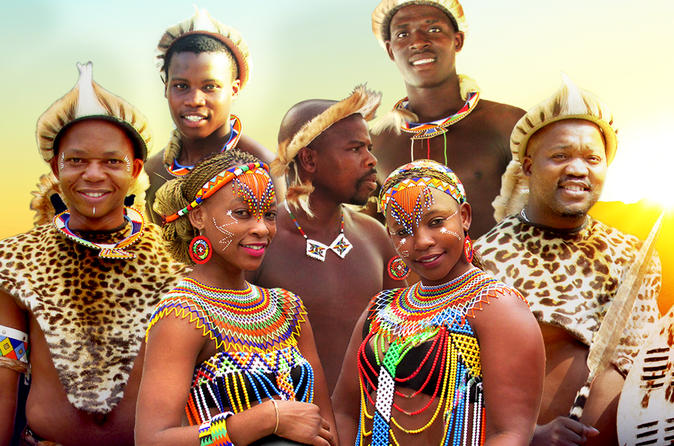
This is the largest ethnic group in South Africa, with over 10 million people. They refer to themselves as ‘the people of the heavens’. The speak IsiZulu, which is South Africa’s most widely spoken official language. It is a tonal language understood by people from the Cape to Zimbabwe and is characterized by many “clicks”.
In the 19th century they merged into a great kingdom under the leadership of Shaka. The legend tells Shaka accepted the leadership of the clan, who at the time only consisted of 1500 people, from his father. Through military tactics he defeated the enemy. However, after his mother died he lost his mind and hilf halg-brothers assassinated him as he became a threat for his clan (he had hundreds of Zulu killed during his period of grief).
Traditional Zulu religion was based on ancestor worship and on beliefs in a creator god, witches, and sorcerers. Modern Zulu Christianity has been marked by the growth of independent or separatist churches under prophets, some of great wealth and influence.
They live mainly in the province of KwaZulu-Natal. There are approximately 10 million Zulu residents, according to the Kruger National Park.
Gender roles are sharply shown through clothes: women dress according to their marital status. A single woman wears skirts to show her body, while a married woman covers it to indicate she is «taken». Men don’t change the way they dress according to this.
As many tribes, they have traditional beverages such as Amazi and Beer; traditional food, which is mainly vegetarian; and traditional dances that are essential to Zulu celebrations, for example the hunting dance symbolizes the bravery it requires to hunt.
 Traveling guide to South Africa